How I Run Three Businesses with AI: The Exact Systems (Real Estate, Childcare, Consulting)
Short version: I run three businesses in the Minneapolis–St. Paul area: Productive Focus (AI consulting), BCY Enterprise (real estate, brokered by eXp Realty of Minnesota), and Little Learning Academy (a licensed childcare center in Brooklyn Park where I'm Executive Director). Four systems make that possible: automated lead intake, follow-up that doesn't rely on memory, proposals written from the meeting, and a weekly content workflow. Here's each one, how I rolled it out, and what I still do by hand.
Key takeaways
Every system on our services page runs in my own operation first. The demo is my Tuesday.
The biggest win wasn't a clever AI. It was one CRM for every lead, in every business.
Each system went Manual → Drafted → Supervised → Automated. Two of them are still supervised, on purpose.
I don't publish numbers I can't stand behind. When client results are ready, they'll be here with names attached.
Why I built these for myself first
If I'm being honest, I intended to build these systems only for myself. Between a real estate business, a consultancy and a childcare center with my family, I know exactly what it feels like to be pulled in ten directions at once. Early on I spent too much time cold-calling, chasing leads, and doing work that didn't move the needle. That's when it clicked: growth doesn't come from doing more. It comes from building smarter systems.
System 1: Lead intake that never sleeps
Where: the childcare center and the real estate practice.
Parent inquiries for the childcare center used to arrive by email from listing sites and sit until someone checked. Now every inquiry is captured into the CRM automatically, gets an instant reply with the two things every parent asks (do you have openings, what are your hours), and is tagged for follow-up. Real estate leads from listing portals work the same way: captured, auto-responded by email and text, and queued for a call.
Rollout: manual for two weeks (I replied by hand and kept a log of what I said), then AI-drafted replies I approved, then automated for the first touch only. Every conversation after the first reply is a person.
System 2: Follow-up that doesn't rely on my memory
Where: all three.
"Call me next week" is the most expensive sentence in small business. Now it's a task the system owns: new-lead sequences, no-response reminders, appointment reminders, and review requests run on a schedule from the CRM. I see a daily digest instead of trying to remember.
Still supervised: re-engagement messages to old leads. I read every one before it goes, because tone matters more than speed there.
System 3: Proposals written from the meeting
Where: the consultancy.
A discovery call is recorded and transcribed. The transcript is matched to the contact in the CRM, turned into a draft proposal with AI, laid out as a presentation, and emailed to the prospect, with a note added to the contact record. My job is to review it, not write it from scratch. The first version of this took a weekend to build; the rollout was drafted-only for a month before any proposal went out without my edits.
Still manual: the pricing. Every custom build is quoted after the audit, by me.
System 4: Content across six platforms
Where: all three, but mostly the consultancy.
Creating weekly social content across Facebook, Instagram, LinkedIn, YouTube, TikTok and X is still the hardest part of running three businesses. So it was the first thing I automated for myself: one weekly workflow turns a video or transcript into a month of posts, drafts the captions and visuals in my voice, and schedules them from one planner. I review every post. Nothing goes out unread.
What I don't automate
Anything a parent or a client would be upset to learn was automated.
Pricing and proposals' final numbers.
Hard conversations, negative reviews, and cancellations.
The audit itself. The whole point is a human looking at how your business runs.
What I'd tell you to build first
Not the proposal generator. Not the content engine. Lead capture and fast response into one CRM, with missed-call text-back. It's the smallest build, it's live in days, and it's the one that made the biggest difference in all three of my businesses. Here's how to do it in 30 days.
Frequently asked questions
What tools do you actually use?
Productive Focus AI Hub as my primary CRMand GHL as my backup CRM for, pipelines and automation; AI voice and chat agents layered on top; a meeting recorder for transcripts; and a presentation tool for proposals. I recommend tools after an audit, never before.
How many hours a week does this save?
I'm not going to give you a number I can't defend. What I can say is that in each business, the system that used to depend on me remembering now runs whether I remember or not. When I have measured client numbers I'm comfortable publishing, they'll be on this page.
Can a childcare center or a real estate agent really use AI?
Both are lead-and-follow-up businesses with a lot of repeat questions. That's exactly where these systems pay off. The guardrails matter more (parents especially), which is why first-touch is automated and everything after it is a person.
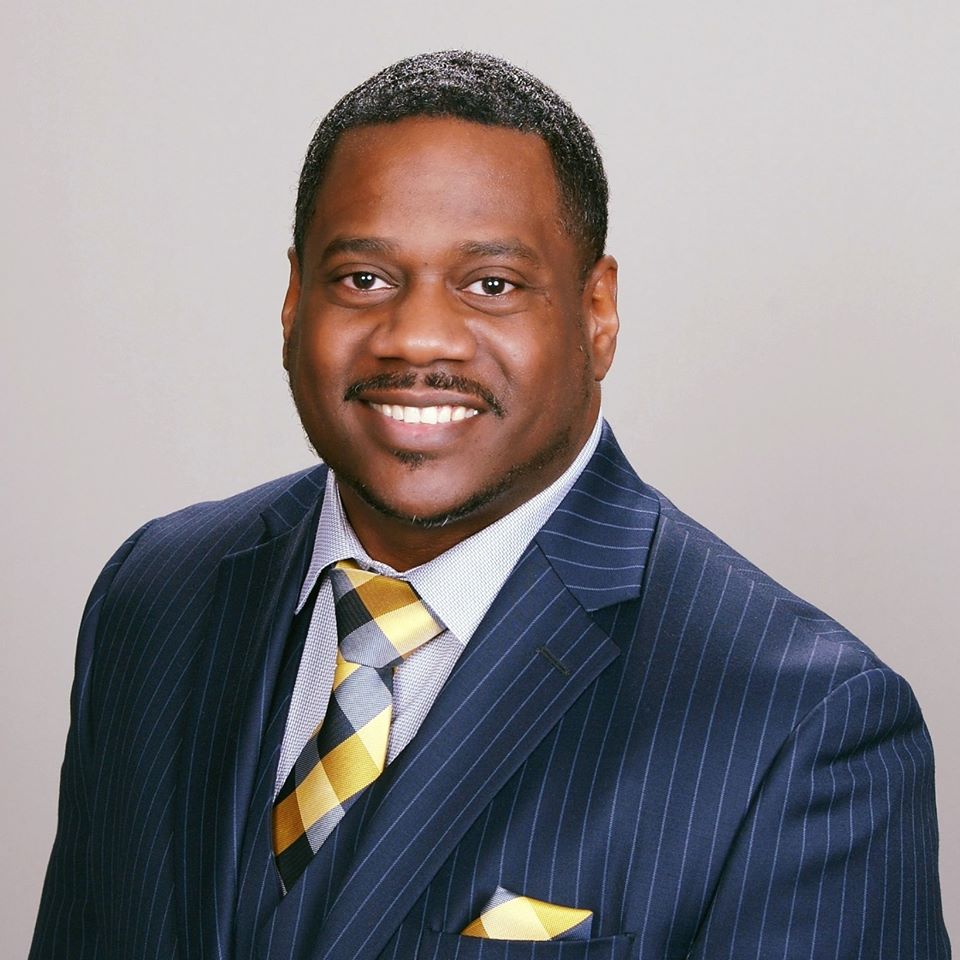
About the author. Brandon C. Young is the founder and CEO of Productive Focus LLC, a certified AI consultant with 16 years in IT and B2B who runs three Minnesota businesses and builds the same systems he sells. More about Brandon · Book a free AI audit